Lockheed Martin Flight-Tests RIG-360 Data Link for PAC-3 Interceptors
The device lets a PAC-3 take in-flight guidance from any radar on the Army's IBCS network, not only the Patriot radar.
- Buyer
- US Army
- Seller
- Lockheed Martin
- System
- Remote Interceptor Guidance 360 (RIG-360) for PAC-3
- Value
- Not disclosed
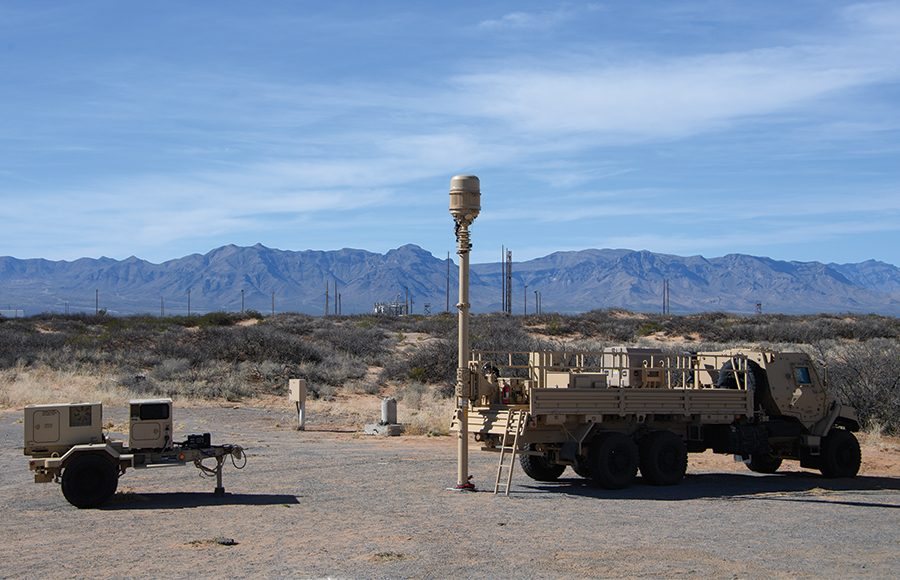
Lockheed Martin has carried out the first developmental flight test of Remote Interceptor Guidance 360, a communications device that lets PAC-3 interceptors receive target updates in flight from more than one sensor, the company said.
The flight test came a few weeks after three captive-carry tests, in which the hardware flies without being launched. The company said the program passed three major milestones within months, including a critical design review. That was about a year after it received funding for the first phase of engineering and manufacturing development.
Jason Reynolds, who leads integrated air and missile defense at Lockheed Martin, said the team is working to deliver ahead of schedule.
What the device does
RIG-360 is a software-defined X-band system. An antenna on the ground sends guidance data to an antenna on the missile, and it does so in every direction.
Today a PAC-3 depends on the Patriot radar for that link. RIG-360 is meant to remove the blind spots. It lets the Army’s Integrated Battle Command System send updates directly to the missile and pair it with whichever radar on the network has the best view of the target.
IBCS links air and missile defense units and merges data from many sensors into one picture. The idea is that any sensor can guide any shooter.
The device has also been tested with the Guided Multiple Launch Rocket System, to help rockets hit moving targets such as ships and mobile missile launchers.
Lockheed Martin did not give a date for fielding. The Army’s next interceptor, PAC-3 Edge, is also being designed to work with IBCS.

Do you build parts of these systems?
DefMatch is the Defense Capability Exchange from The Defense Post. Find your company profile, claim it, and get in front of the people buying air defense.