Patria to Supply MUSCL Passive Radar to an Unnamed European NATO Country
The system finds aircraft and drones from existing broadcast signals and emits nothing itself.
- Buyer
- European NATO member, not named
- Seller
- Patria
- System
- MUSCL passive radar system
- Value
- Not disclosed
- Quantity
- Several sensor stations
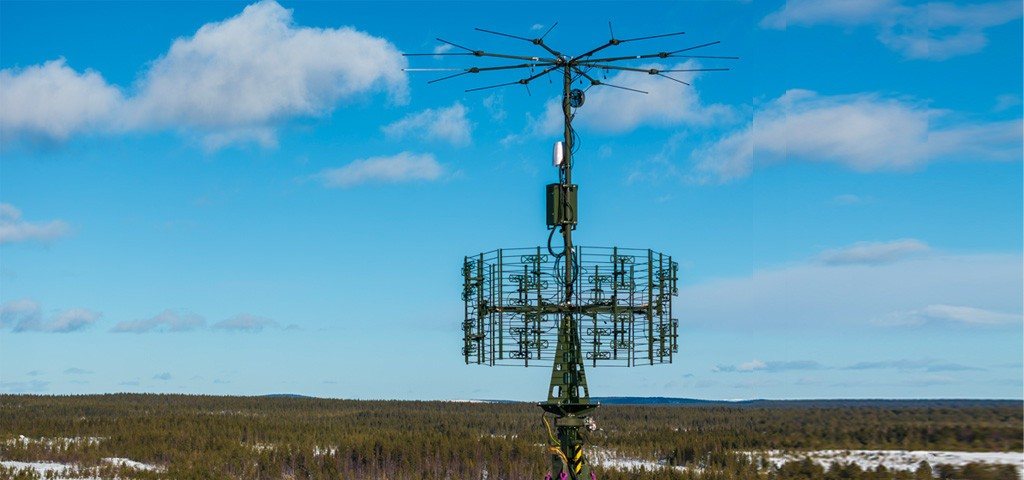
Patria has signed an agreement to supply its MUSCL passive radar system to a European NATO member, the Finnish company said. It did not name the country or give the value.
The delivery includes several sensor stations to cover the customer’s areas of interest, with spare parts, support and training. Patria disclosed nothing further about the deal.
Mikko Leino, who heads Patria’s defense and weapon systems business, said demand is growing across Europe for passive radars that give early warning and support counter-drone work without revealing the user’s position.
How passive radar works
A normal radar sends out a signal and listens for the echo. That signal can be detected, jammed and targeted.
MUSCL sends nothing. It listens for existing broadcast signals, such as radio and television transmissions, bouncing off aircraft. From those reflections it detects and tracks targets in real time. Patria says that includes stealth aircraft and low-altitude threats.
Because it emits no signal, an adversary has little to detect. Patria says that also makes it suitable for use in cities.
The system is transportable. It can work alone or as part of a network of MUSCL stations, with 360-degree coverage at ranges up to hundreds of kilometers. It can be set up in mobile or fixed form and connected to command and control networks.
Patria lists its uses as air surveillance, drone detection, protection of critical infrastructure and border control.
Rheinmetall made a similar move in October, when it agreed to add passive radio sensors from Silvus Technologies to its Skynex gun system.

Do you build parts of these systems?
DefMatch is the Defense Capability Exchange from The Defense Post. Find your company profile, claim it, and get in front of the people buying air defense.